
Hire Workers in Croatia Without a Quota Ceiling
Croatia scrapped its annual quota and replaced it with a labour market test and a high-demand occupations list. We recruit from India, Nepal and Bangladesh into construction, tourism and industry, and run the permit for you.

- No annual ceiling, but real conditions
Quota-free does not mean condition-free. The 2026 amendments added several.

What You Need to Hire Workers in Croatia
Croatia abolished the annual quota that used to cap foreign hiring, which removed the single biggest planning problem employers had here. There is no longer a fixed national ceiling to race against. What replaced it is a test-based system, and that is where the work now sits.
The permit itself is a combined residence and work permit — dozvola za boravak i rad. Before applying, the employer requests a labour market test and the opinion of the Croatian Employment Service, the HZZ. Where the occupation appears on the HZZ list of high-demand professions, the labour market test is waived, though the HZZ opinion is still required. That distinction catches employers out: exempt from the test is not the same as exempt from the step.
Amendments to the Foreigners Act took effect on 4 June 2026 and changed several things employers need to price in. They introduced territorial restrictions on work permits, tying employment more tightly to a defined location. They lengthened processing. They added language requirements. And they relaxed employer change, allowing a worker to move to a different employer after six months with their first employer without needing a new residence and work permit.
The net effect is a market that is more predictable to plan and more demanding to execute than it was two years ago. Guidance written before June 2026 will understate the conditions.
Who We Are
Hire Across Euro is an independent international recruitment consultancy with an active sourcing network across India, Nepal and Bangladesh. The founder runs every engagement personally, so a Croatian employer is planning against the rules that took effect in June 2026 rather than the ones that preceded them.
What We Handle for Croatian Employers
Sourcing and Vetting
We shortlist workers whose training documents and work history stand up to consular scrutiny. Every file is checked for document completeness and practical competence before it reaches you.
- Document verification
- Trade competence check
HZZ Opinion and Permit Filing
We request the labour market test and HZZ opinion, establish whether your occupation is on the high-demand list, and file the combined residence and work permit application.
- High-demand list check
- HZZ opinion and permit filing
Compliance With the 2026 Rules
We work to the amended Foreigners Act as it stands, including the territorial restriction on the permit and the language requirements introduced in June 2026.
Arrival and Onboarding
Workers are briefed on Croatian working-time rules and site safety expectations, and we support registration after arrival.
Sectors Where We Hire Workers in Croatia
Four areas where Croatian demand is persistent and high-demand listings are common.
Construction and Civil Works
Bricklayers, formwork carpenters, steel fixers and general site trades for contractors and infrastructure projects.
Tourism and Hospitality
Kitchen, housekeeping and service staff for coastal hotels and resorts through the season.
Shipbuilding and Metalwork
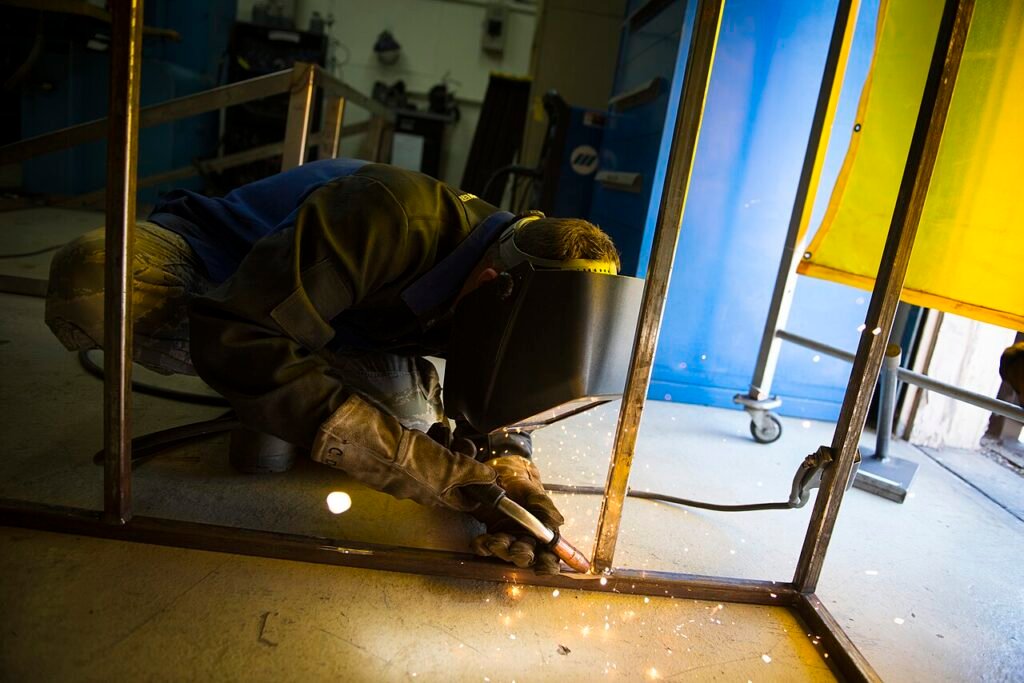
Welders, platers and fabricators for yards and metalworking plants.
Logistics and Warehousing
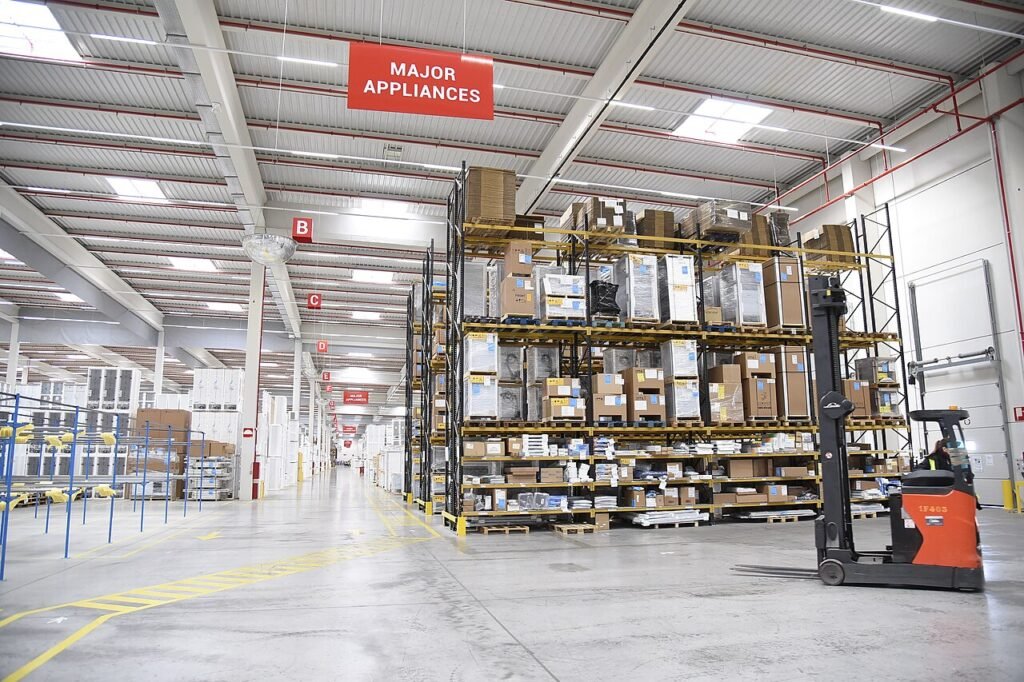
Warehouse operatives, pickers and forklift drivers for distribution and retail supply chains.
The Croatian Route at a Glance
Quota-free does not mean condition-free, and the conditions changed in June 2026.
| Permit | Combined residence and work permit — dozvola za boravak i rad |
|---|---|
| Annual quota | Abolished. There is no national ceiling to file against |
| Labour market test | Requested from the Croatian Employment Service (HZZ) before applying |
| High-demand list | Exempts the role from the labour market test, but the HZZ opinion is still required |
| From 4 June 2026 | Territorial restrictions on work permits, longer processing and language requirements |
| Employer change | A worker may move to a new employer after six months without a new permit |
How to Hire Workers in Croatia Under the 2026 Rules
Croatia has become one of the more workable European markets for employer-led recruitment from South Asia, and the reason is structural. The abolition of the annual quota removed the scramble that used to define hiring here, where employers raced to file before a national ceiling closed for the year. Planning a Croatian hire is now a question of process rather than of timing luck.
The process runs through the Croatian Employment Service. Before a combined residence and work permit can be applied for, the employer requests a labour market test and the HZZ’s opinion. Occupations on the HZZ high-demand list are exempt from the test itself, which is a meaningful saving, but the opinion is still required in every case. Employers who read “exempt” as “skip the HZZ” lose weeks discovering otherwise.
The June 2026 amendments to the Foreigners Act are the part most current advice has not caught up with. They introduced territorial restrictions on work permits, extended processing times, and added language requirements, while making it easier for a worker to change employer after six months. For a hiring employer this cuts both ways: your file takes longer and carries more conditions, and your worker becomes mobile sooner than before. Both are worth knowing before you build a business case on a Croatian crew.
None of that makes Croatia difficult. It makes it a market that rewards accurate paperwork and honest planning, which is the kind we prefer. Our live roles are on the vacancies board, our fee and treatment standards are in ethical recruitment compliant with EU labour law, and employers operating across the region usually also read Slovakia and Greece.
How the Process Works
Six steps from the first requirement call to workers on site in Croatia.
Requirement Call
We go through headcount, roles, worksite location, contract length and the start date you are working back from.
Shortlist
We present vetted workers from India, Nepal, Bangladesh or Pakistan with their training and work-history evidence attached.
Permit Filing
We obtain the HZZ opinion, run the labour market test where required, and file the residence and work permit.
Visa Application
We prepare the consular file and the employer-side documents your HR team is asked to produce, and track it to decision.
Arrival
We coordinate travel and the first days in Croatia, including registration and the practical basics.
Onboarding
We support induction at the worksite and stay reachable through the first weeks of the placement.
Quick Answers
Is there still a quota to hire workers in Croatia?
No. Croatia abolished the annual quota, so there is no fixed national ceiling and no race to file before it closes. The system is now based on a labour market test and the opinion of the Croatian Employment Service instead.
Why does the high-demand list not remove the HZZ step?
Because it exempts you from the labour market test, not from the Croatian Employment Service itself. The HZZ opinion is still required even for a listed occupation, and employers who read “exempt” as “skip the HZZ” lose weeks finding out otherwise.
What changed for employers on 4 June 2026?
Amendments to the Foreigners Act introduced territorial restrictions tying employment more tightly to a defined location, lengthened processing, and added language requirements. They also relaxed employer change, letting a worker move on after six months without a new permit.
Official Sources and Further Reading
Guidance written before June 2026 understates the conditions. These are the current administering bodies.
Frequently Asked Questions
Is there still an annual quota for foreign workers in Croatia?
No. Croatia abolished the annual quota, so there is no fixed national ceiling to file against. The system is now based on a labour market test and the opinion of the Croatian Employment Service instead.
What does the high-demand occupations list actually exempt us from?
From the labour market test, but not from the HZZ step altogether. The Croatian Employment Service opinion is still required even for a listed occupation, which is the detail employers most often miss.
What changed in June 2026?
Amendments to the Foreigners Act took effect on 4 June 2026. They introduced territorial restrictions on work permits, lengthened processing, added language requirements, and allowed workers to change employer after six months without a new permit.
Can our worker leave for another employer?
After six months with you, yes — under the 2026 amendments a worker can move to a different employer without obtaining a new residence and work permit. It is worth factoring into how you plan retention on a first placement.
How long does a Croatian permit take now?
Longer than before June 2026, because the amendments explicitly extended processing. We give you a current range at the first call rather than quoting a figure from older guidance.
How long does a Croatian permit take now, and what does it cost?
Longer than before June 2026, because the amendments explicitly extended processing, so we give a current range at the first call rather than quoting from older guidance. On cost, factor in the language requirement introduced by the same amendments, which is a real preparation expense that pre-2026 budgets do not contain.
Our worker can leave after six months. Does that make Croatia risky?
It is a genuine consideration and we would rather raise it than let you discover it. Under the 2026 amendments a worker may change employer after six months with you without obtaining a new permit. Employers who plan retention deliberately — accommodation, progression, treating the placement as a relationship — keep their crews. Those who treat the permit as a lock do not.
Request Workers for Croatia
Tell us the roles, the worksite location and the headcount. A consultant replies within one business day with the HZZ position and what the file will take.
Talk to Us
If your sites in Croatia need workers from India, Nepal or Bangladesh, send us the requirement and a consultant replies within one business day with the route, the timeline and a quote.