
Hire Skilled Workers in Denmark from South Asia
Denmark admits non-EU workers on pay or on qualification, and rarely on need alone. We source qualified trades from India, Nepal and Bangladesh for the Positive List route, and tell you when the pay thresholds put a role out of reach.

- Qualification-led, because Denmark is
Denmark has no general low-skilled route. Everything runs through pay or a trade certificate.
What You Need to Hire Workers in Denmark
Danish work and residence permits are issued by SIRI, the Danish Agency for International Recruitment and Integration. There is no general route for unskilled non-EU labour, and no shortage argument that creates one. An application has to fit a named scheme, and for the roles we place there are two that matter.
The Pay Limit Scheme grants a permit on salary alone, with no requirement that the occupation be in shortage. From January 2026 the threshold is DKK 552,000 a year, with a supplementary variant at DKK 446,000. Salary for this purpose includes base pay, employer pension contributions and holiday allowance, but excludes bonuses and benefits in kind — a distinction that catches employers out when they calculate a package rather than a salary.
The Positive List for Skilled Work is the route that actually fits skilled trades. It covers occupations where Denmark has documented a shortage, is revised twice a year, and does not require the Pay Limit salary — but it does require a relevant vocational qualification and pay at customary Danish standards for the role. That combination is why qualification evidence, not headcount, is the critical path on a Danish file.
Employers who recruit at volume can additionally become certified for the Fast Track Scheme, which speeds processing considerably. It is worth raising early if Denmark is going to be a recurring channel rather than a one-off hire.
Who We Are
Hire Across Euro is an independent international recruitment consultancy with an active sourcing network across India, Nepal and Bangladesh. The founder runs every engagement personally, so a Danish employer gets a qualification-first assessment, which is the only kind that predicts a Danish outcome.
What We Handle for Danish Employers
Sourcing and Vetting
We shortlist workers whose training documents and work history stand up to consular scrutiny. Every file is checked for document completeness and practical competence before it reaches you.
- Document verification
- Trade competence check
Scheme Selection and SIRI Filing
We establish which scheme the role fits, test the offer against the relevant threshold or Positive List entry, and assemble the SIRI application with the qualification evidence behind it.
- Scheme and threshold check
- Qualification evidence pack
Qualification Documentation
Positive List for Skilled Work applications stand or fall on trade certification, so we assemble and verify that evidence before filing rather than after a request for more.
Arrival and Onboarding
Workers are briefed on Danish workplace norms, working-time rules and CPR registration before they travel.
Trades Where We Hire Workers in Denmark
Four areas where Danish shortages are documented and a qualified South Asian candidate can clear a scheme.
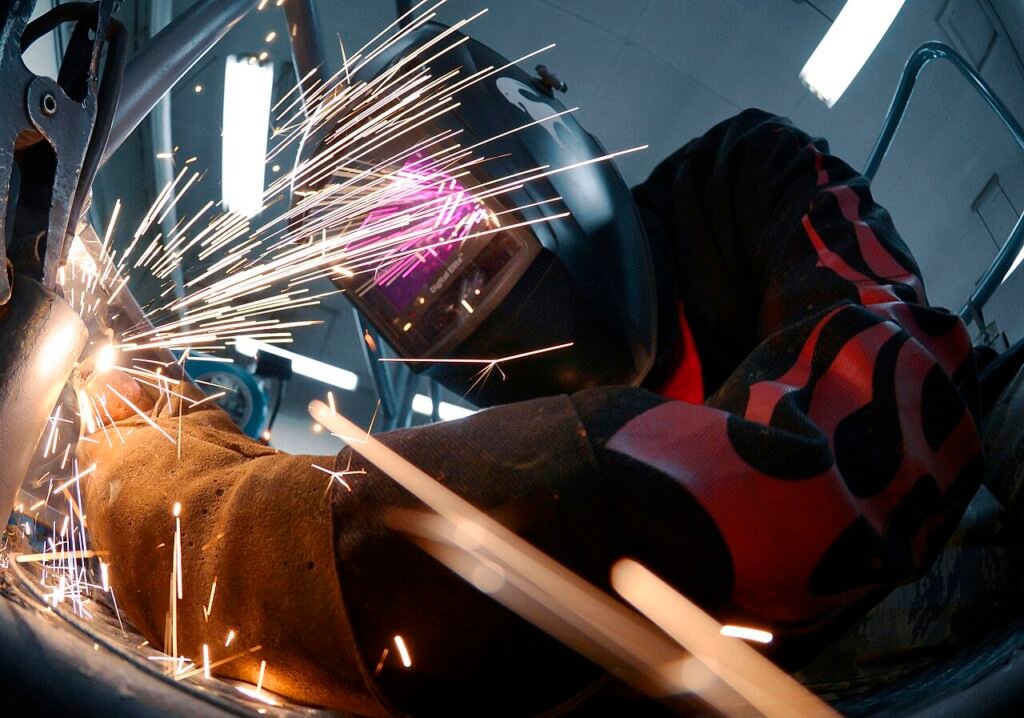
Welding and Fabrication
Coded welders, platers and fabricators with tested process qualifications and trade certificates.
Construction Trades
Carpenters, bricklayers and finishing trades holding recognised vocational qualifications.
Industrial and Technical
Industrial technicians, machine operators and maintenance trades for manufacturing and process plants.
Food Processing
Skilled production and processing roles in Denmark’s meat, dairy and food manufacturing sector.
The Danish Route at a Glance
Denmark admits on pay or on qualification. There is no general shortage route.
| Authority | SIRI, the Danish Agency for International Recruitment and Integration |
|---|---|
| Pay Limit Scheme | DKK 552,000 a year from January 2026, with no occupation requirement |
| Supplementary scheme | DKK 446,000 a year |
| What counts as salary | Base pay, employer pension contributions and holiday allowance — not bonuses or benefits in kind |
| Positive List for Skilled Work | Occupations in documented shortage; refreshed twice a year |
| Positive List conditions | A relevant vocational qualification plus pay at customary Danish standards |
| Recurring hires | Fast Track Scheme certification materially speeds processing |

How to Hire Workers in Denmark: Pay Limit or Positive List
Denmark is one of the more misunderstood markets on this list, because employers reason from the shortage rather than from the scheme. Danish shortages in skilled trades are real and well documented. That does not create a route. SIRI grants permits against named schemes, and a shortage that does not correspond to a scheme the applicant fits produces a refusal.
For skilled manual roles the practical choice is between two schemes. The Pay Limit Scheme ignores the occupation entirely and looks only at salary — DKK 552,000 a year from January 2026, or DKK 446,000 on the supplementary variant. The definition of salary matters: base pay, employer pension contributions and holiday allowance count, while bonuses and benefits in kind do not, so a package that looks compliant on paper can fall short on the figure SIRI actually assesses.
The Positive List for Skilled Work is the better fit for most trades. It names occupations in documented shortage, is refreshed every six months, and asks for a relevant vocational qualification plus pay at customary Danish standards rather than a high absolute figure. This makes trade certification the critical path. A welder with a tested process qualification and clean documentation is a straightforward Danish file; the same welder with reconstructed paperwork is not a file at all.
If Denmark is going to be a recurring channel, ask us about Fast Track certification early — it materially changes processing for employers hiring repeatedly. If your requirement is general labour rather than certified trades, Denmark will not supply it and we will say so. Our live roles are on the vacancies board, our standards are in ethical recruitment compliant with EU labour law, and employers comparing the Nordics should also read hiring workers in Sweden.
How the Process Works
Six steps, beginning with which Danish scheme the role can actually fit.
Requirement Call
We go through headcount, roles, worksite location, contract length and the start date you are working back from.
Shortlist
We present vetted workers from India, Nepal, Bangladesh or Pakistan with their training and work-history evidence attached.
Permit Filing
We file the application with SIRI under the correct scheme, with the qualification and salary evidence attached.
Visa Application
We prepare the consular file and the employer-side documents your HR team is asked to produce, and track it to decision.
Arrival
We coordinate travel and the first days in Denmark, including CPR registration and the practical basics.
Onboarding
We support induction at the worksite and stay reachable through the first weeks of the placement.
Quick Answers
What is the Danish Pay Limit Scheme?
It is a work permit route granted on salary alone, with no requirement that the occupation be in shortage. From January 2026 the threshold is DKK 552,000 a year, with a supplementary variant at DKK 446,000. Base pay, employer pension and holiday allowance count towards it; bonuses and benefits in kind do not.
Why does trade certification decide a Danish file?
Because the Positive List for Skilled Work, which is the realistic route for most trades, requires a relevant vocational qualification rather than a high salary. A welder with a tested, documented process qualification is a straightforward file. The same welder with reconstructed paperwork is usually not a file at all.
How can we hire into Denmark repeatedly without the delay?
Become certified under the Fast Track Scheme before your first placement rather than after your third. It materially shortens processing for employers hiring on an ongoing basis, and it is worth setting up while the first file is being prepared.
Official Sources and Further Reading
The thresholds change each January and the Positive List is refreshed twice a year. Check both before you model a package.
Frequently Asked Questions
What is the Danish Pay Limit Scheme threshold?
DKK 552,000 a year from January 2026, with a supplementary scheme at DKK 446,000. Base salary, employer pension contributions and holiday allowance count towards it; bonuses and benefits in kind do not.
Can we hire unskilled workers from South Asia into Denmark?
No. Denmark has no general low-skilled route for non-EU nationals. Every application has to fit a named scheme, and those schemes turn on either a high salary or a recognised vocational qualification.
What is the Positive List for Skilled Work?
A list of occupations where Denmark has documented a shortage, refreshed twice a year. It is the realistic route for trades, because it does not require the Pay Limit salary — but it does require a relevant vocational qualification and pay at customary Danish standards.
How important is trade certification?
On the Positive List route it is the whole file. A candidate with a tested, documented qualification is straightforward; one whose certificates have to be reconstructed usually is not worth filing. We verify that evidence before we present anyone.
We expect to hire repeatedly. Is there a faster route?
Yes. Employers can become certified under the Fast Track Scheme, which speeds processing significantly for recurring hires. It is worth setting up before your first placement rather than after your third.
What does it actually cost to bring a trade into Denmark?
On the Pay Limit route the salary itself dominates every other cost line, and the definition matters: a package that looks compliant can fall short once bonuses and benefits in kind are stripped out of the calculation. On the Positive List route the pay bar is lower but the qualification evidence is the expensive part, because reconstructing missing certificates is slow and often impossible.
Can we bring in general labourers or care assistants without qualifications?
No. Denmark has no general low-skilled route for non-EU nationals, and a genuine shortage does not create one. Every application has to fit a named scheme, and those schemes turn on either a high salary or a recognised vocational qualification. If your requirement is unqualified labour we will say so at the first call.
Request Workers for Denmark
Tell us the roles, the offered salary and the qualifications you need. A consultant replies within one business day with the scheme that fits and what the file will take.
Talk to Us
If your operation in Denmark needs qualified trades from India, Nepal or Bangladesh, send us the requirement and a consultant replies within one business day with the scheme, the timeline and a quote.