
Hire Construction Workers in Germany
Masons, welders, steel fixers, electricians and site technicians from India, Nepal and Bangladesh — selected against the qualification routes that are actually open to these nationalities, and placed with German contractors.

- Recognised qualifications only
Documented trades on a route that is legally open — not a shortcut that closes at the consulate.
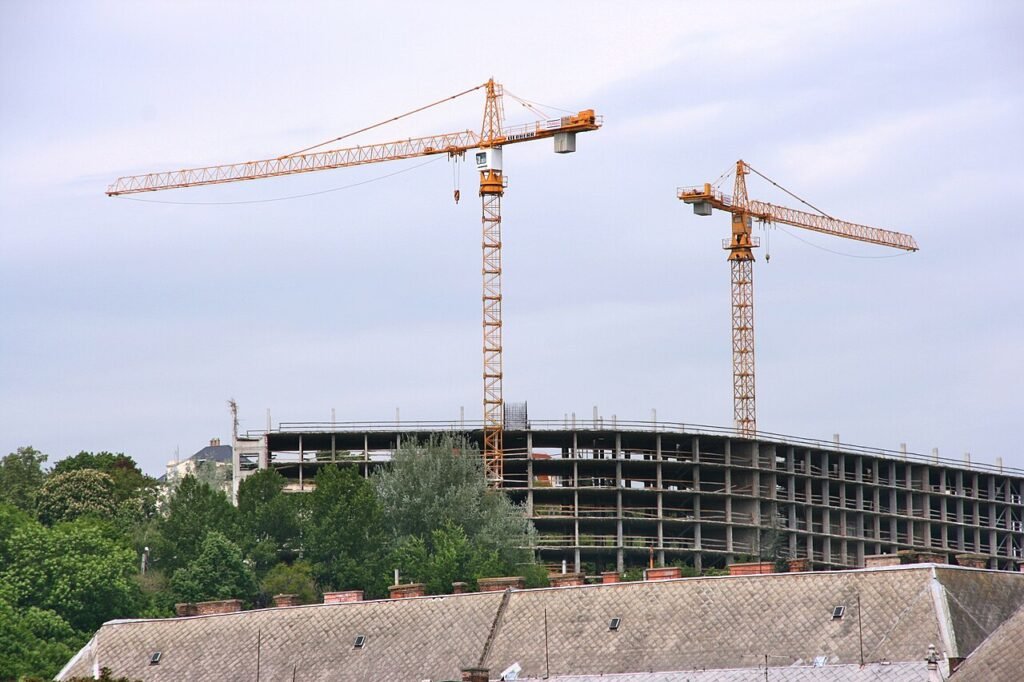
Hire Construction Workers Germany: What the Law Requires
The Western Balkans Regulation — Germany’s least bureaucratic route for foreign labour — applies only to six Balkan states. It does not apply to India, Bangladesh, Nepal or Pakistan. Any agency offering you unskilled South Asian site labour into Germany on that basis is describing something that cannot be issued.
The route that does work for construction is the Skilled Immigration Act: a worker whose vocational training is recognised as equivalent in Germany, or who holds a recognised qualification plus substantial documented trade experience, can be employed in a construction trade. That makes qualification recognition the critical path of the whole project, not an afterthought. We build every German placement around it.
Who We Are
Hire Across Euro is an independent international recruitment consultancy with an active sourcing network across India, Nepal and Bangladesh. The founder runs every engagement personally, so you deal with the person accountable for the file rather than an account manager relaying messages.
What We Handle
Trade Selection and Vetting
We shortlist tradespeople whose training documents and site history stand up to scrutiny — masonry, welding, steel fixing, formwork, electrical and mechanical installation. Every file is checked for document completeness and trade competence before it reaches you.
- Document verification
- Trade competence check
Qualification Recognition
We run the Anerkennung process end to end under the Recognition Act, including correspondence with the competent body for the trade and assembly of the evidence pack it asks for.
- Liaison with recognition bodies
- Evidence pack assembly
Visa and Residence Support
We support the skilled-worker visa or EU Blue Card application from filing through to entry, including the employer-side paperwork your HR team is asked to produce.
Site Onboarding
Selected workers get a briefing on German site culture, safety expectations, working-time rules and the practical business of living in Germany before they arrive.
Construction Trades We Place in Germany
Four trade groups where German site demand meets qualifications that can realistically be recognised.
Masons and Concrete Trades
Bricklayers, formwork carpenters and concrete finishers with documented training.
Welders and Steel Fixers
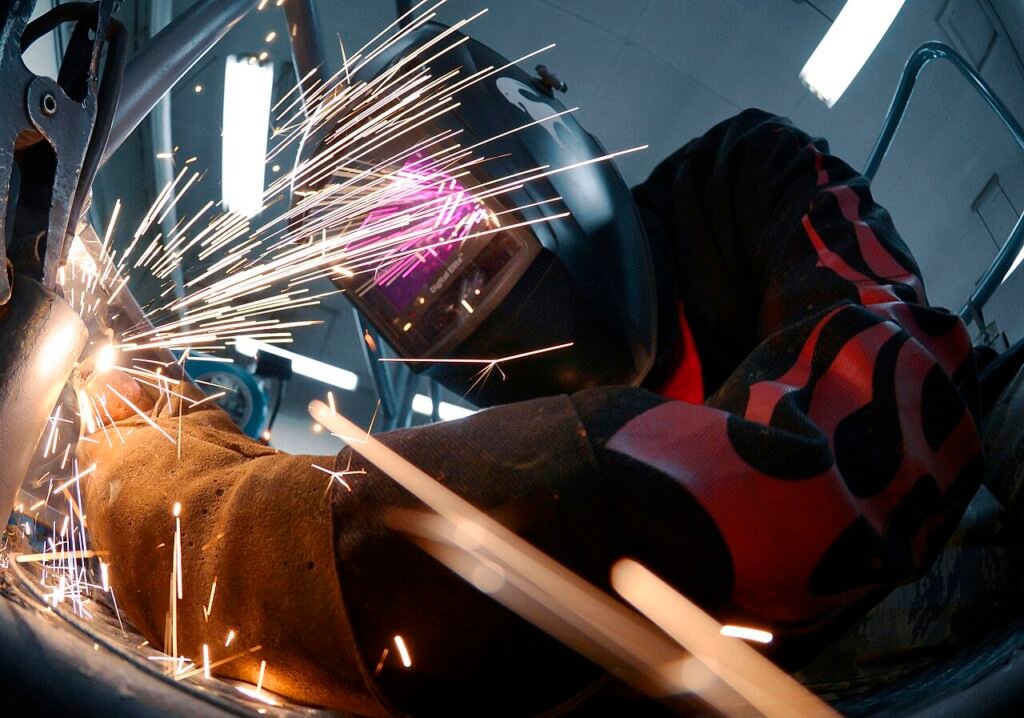
Certified welders and reinforcement steel fixers with tested process qualifications.
Electrical and Mechanical
Site electricians, pipefitters and HVAC installers with recognisable vocational training.
Technicians and Supervisors
Site technicians, quantity and setting-out staff, and working foremen.
Hire Construction Workers Germany: The Route at a Glance
The route, the constraint, and the mechanism most employers have not heard of.
| Does not apply | The Western Balkans Regulation covers six named Balkan states only — not India, Bangladesh, Nepal or Pakistan |
|---|---|
| The route | The Skilled Immigration Act (Fachkräfteeinwanderungsgesetz), fully in force since June 2024 |
| Core requirement | A vocational qualification recognised as equivalent, assessed under the Recognition Act or via the anabin database |
| Recognition partnership | Under §16d AufenthG a worker can enter and start work while recognition is still being completed |
| For graduates | The EU Blue Card, relevant to engineers and technical staff rather than site trades |
| Critical path | Qualification evidence, not candidate supply |
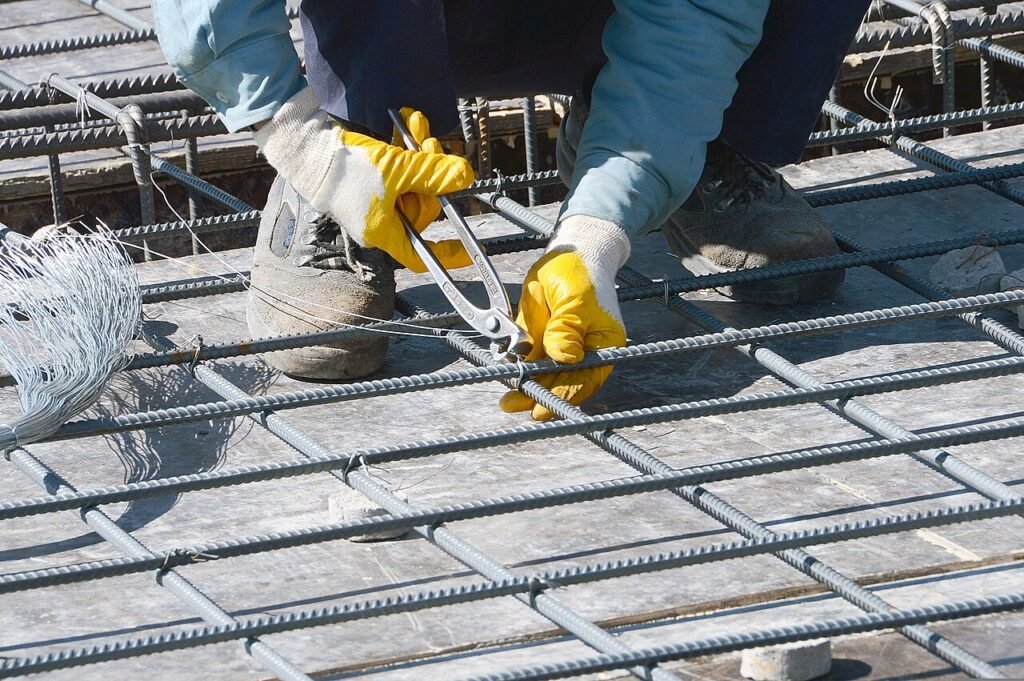
How to Hire Construction Workers in Germany from South Asia
Employers who set out to hire construction workers in Germany from South Asia meet a legal route they have usually not used before. German construction is short of trades, and the shortage is structural rather than cyclical. The instinct is to widen the sourcing map, and South Asia has the volume. What catches employers out is that the legal route is different from the one they have used for Balkan labour.
Nationals of India, Bangladesh, Nepal and Pakistan generally need a recognised qualification to work in Germany. Two paths are open in practice. The Skilled Immigration Act covers vocationally trained workers without a degree, provided their training is recognised as equivalent to a German apprenticeship — this is the path most construction trades take. The EU Blue Card covers graduates holding a job offer that meets a salary threshold set annually, which is relevant for engineers and technical staff rather than site trades.
Recognition is the step that governs the timeline. A mason or welder with a genuine trade certificate still needs that certificate assessed by the competent German body before a visa can be applied for, and incomplete evidence is the usual reason a file stalls. Plan the recognition window into the project programme from the start rather than discovering it after you have committed to a start date.
The commercial consequence is simple: this is a planned sourcing channel, not an emergency one. Employers who begin the conversation a quarter before they need people on site get workers; employers who call the week a package falls behind do not. You can see the kind of roles we are currently placing on our live vacancies board, and our position on recruitment fees, contracts and worker treatment is set out in full in ethical recruitment compliant with EU labour law.
Put simply: the employers who successfully hire construction workers Germany actually admits are the ones who treat qualification recognition as the first task of the project rather than the last. Employers weighing Germany against neighbouring markets often also read our pages on Belgium and France.
How the Process Works
Six steps from the first requirement call to workers on site.
Requirement Call
We go through headcount, trades, site location, contract length and the start date you are working back from.
Trade Selection
We present a shortlist of vetted tradespeople from India, Nepal or Bangladesh with their training evidence attached.
Qualification Recognition
We file for recognition of each worker’s vocational qualification with the competent body and track it to decision.
Visa Application
We support the skilled-worker visa or Blue Card filing and prepare the employer-side documents.
Arrival
We coordinate travel and the first days in Germany, including registration and the practical basics.
Site Onboarding
We support induction on site and stay reachable through the first weeks of the placement.
Quick Answers
What is the Skilled Immigration Act?
It is the German law, fully in force since June 2024, that governs how non-EU workers with vocational qualifications may be employed. For construction it is the operative route, because it covers vocationally trained workers without a degree provided their training is recognised as equivalent to a German apprenticeship.
Why does qualification recognition decide the timeline?
Because a mason or welder with a genuine trade certificate still needs that certificate assessed before the file can proceed, and incomplete evidence is the usual reason a case stalls. We assemble the evidence pack before filing rather than after a request for more information.
How can a worker start before recognition is finished?
Through a recognition partnership under §16d of the Residence Act. It allows a worker to enter Germany and begin employment while the recognition process is still running, which removes the long wait that used to sit between selection and the first day on site.
Official Sources and Further Reading
Recognition is administered by the competent body for each trade, and the rules changed materially in 2024. These are the official references.
Frequently Asked Questions
Can we hire unskilled construction labourers from India for a German site?
No. The Western Balkans Regulation that allows qualification-independent employment covers six named Balkan states only. For Indian, Bangladeshi, Nepali and Pakistani nationals a recognised vocational qualification is required, so we place trained trades rather than general labourers.
How long does qualification recognition take for a construction trade?
It depends on the trade and on how complete the training evidence is. Straightforward files with full documentation move considerably faster than files where certificates have to be reconstructed, which is why we assemble the evidence pack before filing rather than after.
Which construction trades are the most realistic to place in Germany?
Welding, electrical installation, pipefitting and formwork carpentry, because those trades combine real German site demand with training that maps onto a recognisable German apprenticeship.
Do you handle the visa paperwork, or does our HR team?
We do. We prepare the worker-side application and the employer-side documents your HR team is asked for, and we stay on the file until entry. You are not left to manage a consulate process you have never run before.
How far ahead do we need to start?
Treat this as a planned channel. Recognition and visa processing both take real time, so employers who open the conversation a quarter ahead of the start date get people on site. We will tell you honestly at the first call whether your date is achievable.
What does it cost to hire construction workers Germany-side, all in?
Three lines, all of which we quote before you commit: our recruitment fee, the recognition and visa charges, and your own relocation and accommodation commitments. The recognition stage is where budgets slip, because reconstructing missing training documents is slow and sometimes impossible — which is why we verify that evidence before presenting anyone.
Can we shorten the wait between selecting a worker and them starting on site?
Often, yes, and this is the change most employers have missed. A recognition partnership under §16d lets the worker enter and begin employment while recognition is completed in Germany, rather than waiting for a decision before travelling. It does not remove the recognition requirement; it reorders it.
Request Construction Workers for Germany
Tell us the trades, the headcount and the date you are working back from. A consultant replies within one business day with the route that is legally open and what it will take.
Talk to Us
If you need to hire construction workers Germany can lawfully employ, send us the requirement and a consultant replies within one business day with the realistic route, the timeline and a quote.